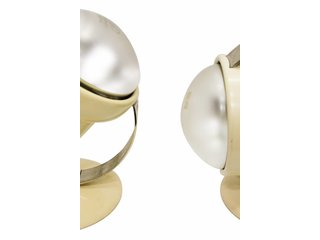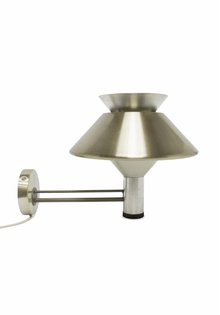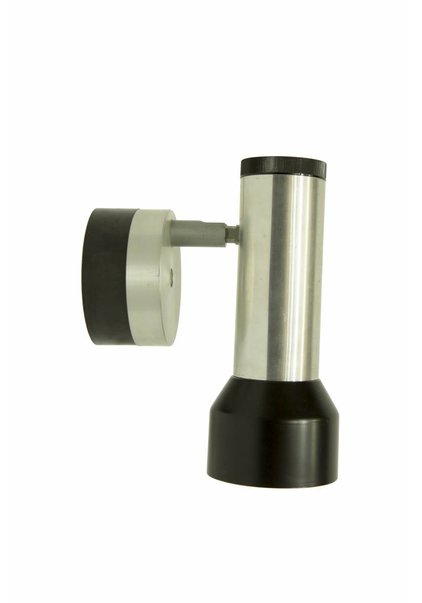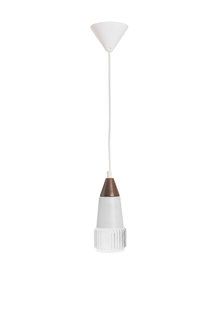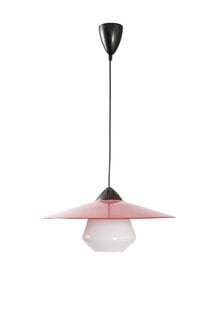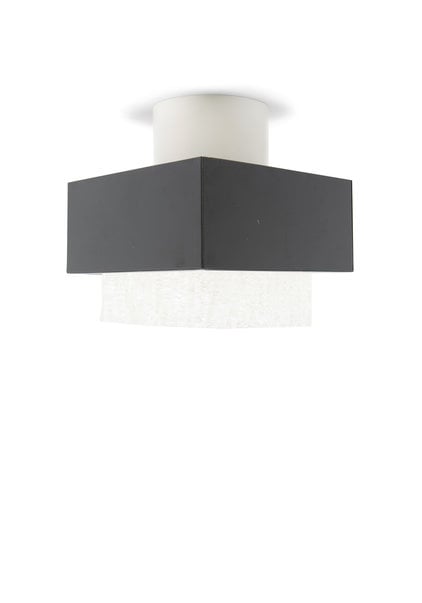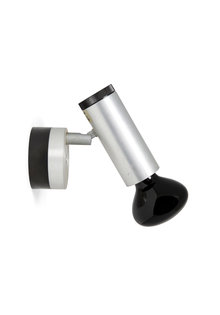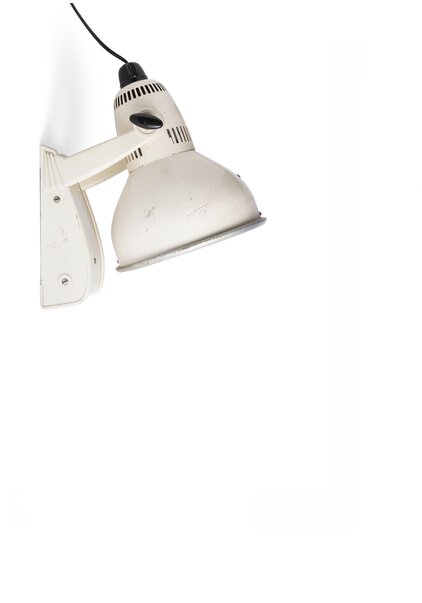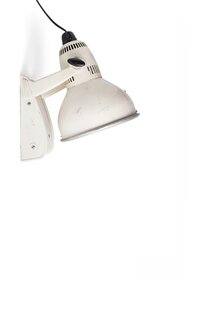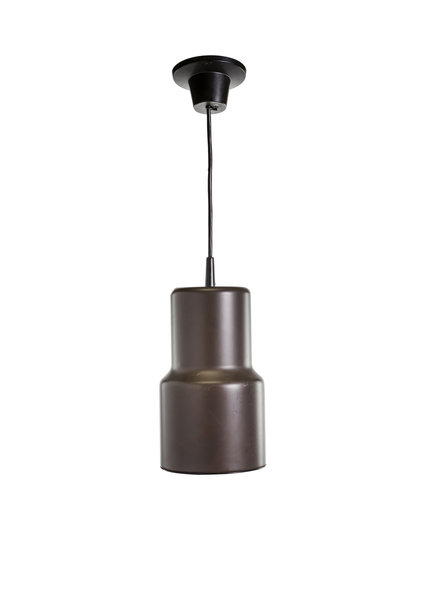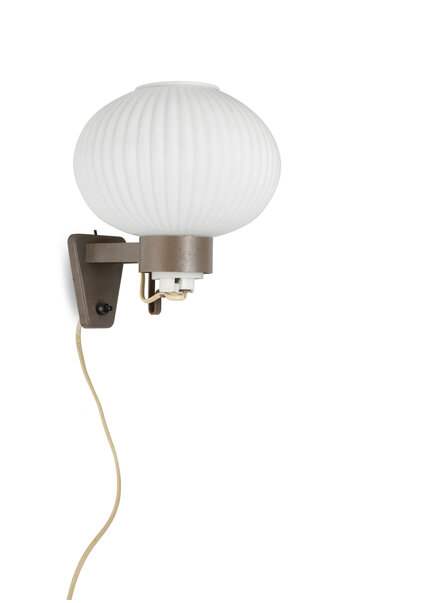
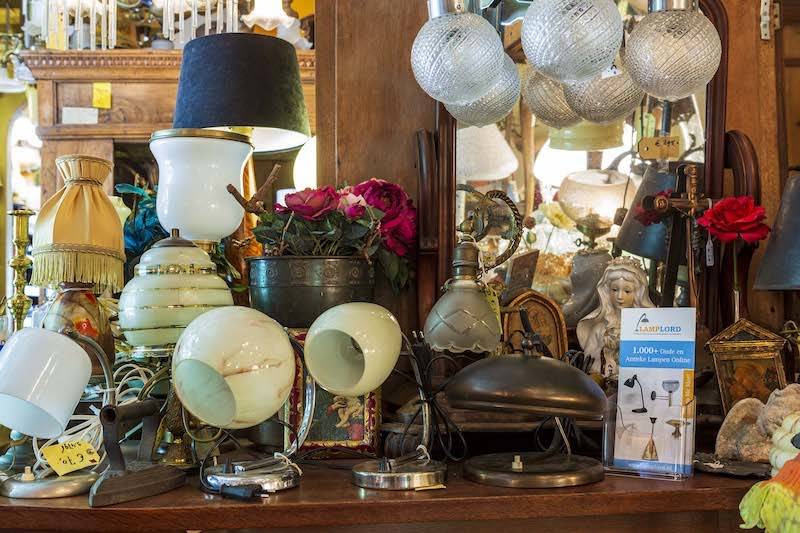
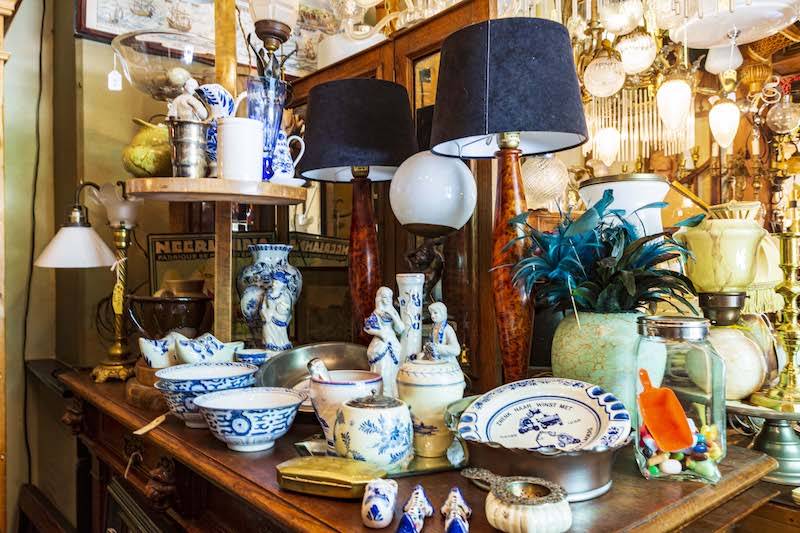
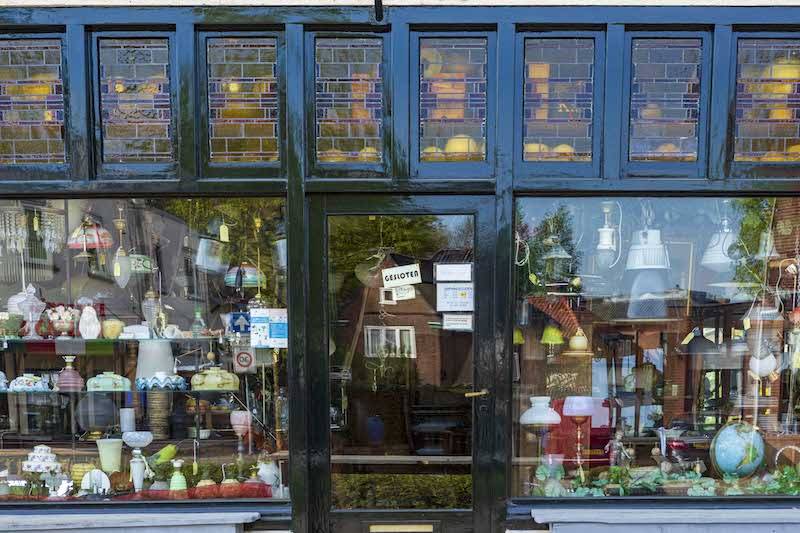
In the 1950s and 1960s, Philips created interior lighting that was both functional and stylish.
Well-known designers such as Louis Kalff, Jac. Jacobsen, and Andries Copier collaborated with Philips on innovative lamps and lighting concepts during this period.
Their designs combine simplicity, elegance, and craftsmanship, and continue to inspire retro and vintage lighting enthusiasts.
Different Lighting Styles
Philips was known for its versatile lamps in the 1950s and 1960s, designed to serve various moods and functions.
There were lamps for:
Diffuse light – soft, evenly distributed light for a warm, pleasant atmosphere.
Direct light – focused light for workspaces or reading corners.
Semi-indirect lighting – light that shines partly upwards and partly downwards, ideal for both ambiance and functionality.
Indirect lighting – light is diffused through walls or ceilings, creating a soft and diffused ambiance without harsh shadows.
Glass and Materials
Philips used various types of glass in the 1950s and 1960s to make its lighting both functional and decorative. These included:
Clear glass – for direct and bright light, often used in table and desk lamps.
Frosted glass/frosted glass – for diffused light, so that the light is softly and evenly distributed.
Satin-finished or pressed glass – often with decorative patterns or textures, for an elegant appearance and subtle light distribution.
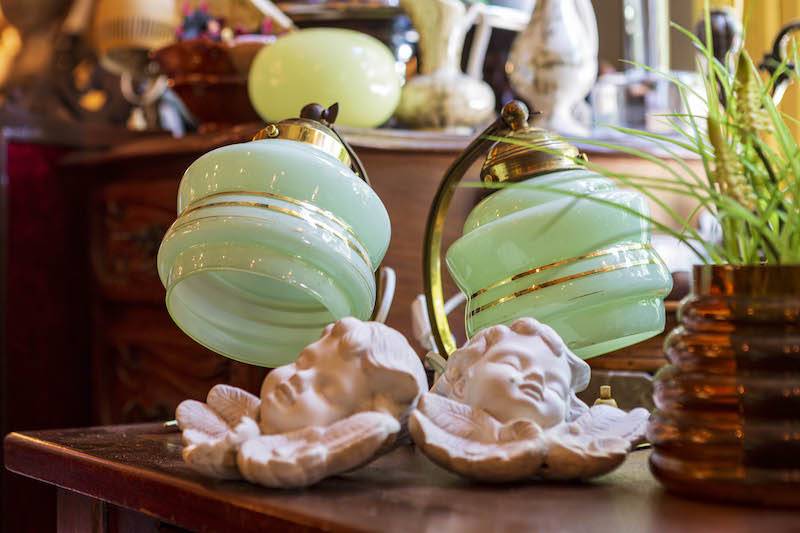
Colored glass – sometimes used for accent lighting or atmospheric effects.
Fixtures and Materials
Philips lamps from the 1950s and 1960s used high-quality materials for their fixtures, often combined with innovative glasswork:
Metal – frequently used for bases, frames, and suspensions; often painted or chrome-plated for a sleek, durable finish.
Aluminum – lightweight and corrosion-resistant, ideal for pendant lamps and modern designs.
Brass – used for elegant details and switches, often polished or nickel-plated.
Wood – occasionally used for a warm, natural look, especially in floor or table lamps.
Plastic – used in some models for components or diffusers, especially in the later 1960s for experimental designs.
In the 1950s and 1960s, Philips combined functional design with high-quality materials and diverse lighting techniques. With varying light types – direct, diffused, semi-indirect, and indirect – combined with clear, frosted, satin, or colored glass and fixtures made of metal, aluminum, brass, wood, or plastic, lamps were created that were both practical and stylish. These timeless designs are durable, functional and still make an elegant aesthetic statement in any interior.